
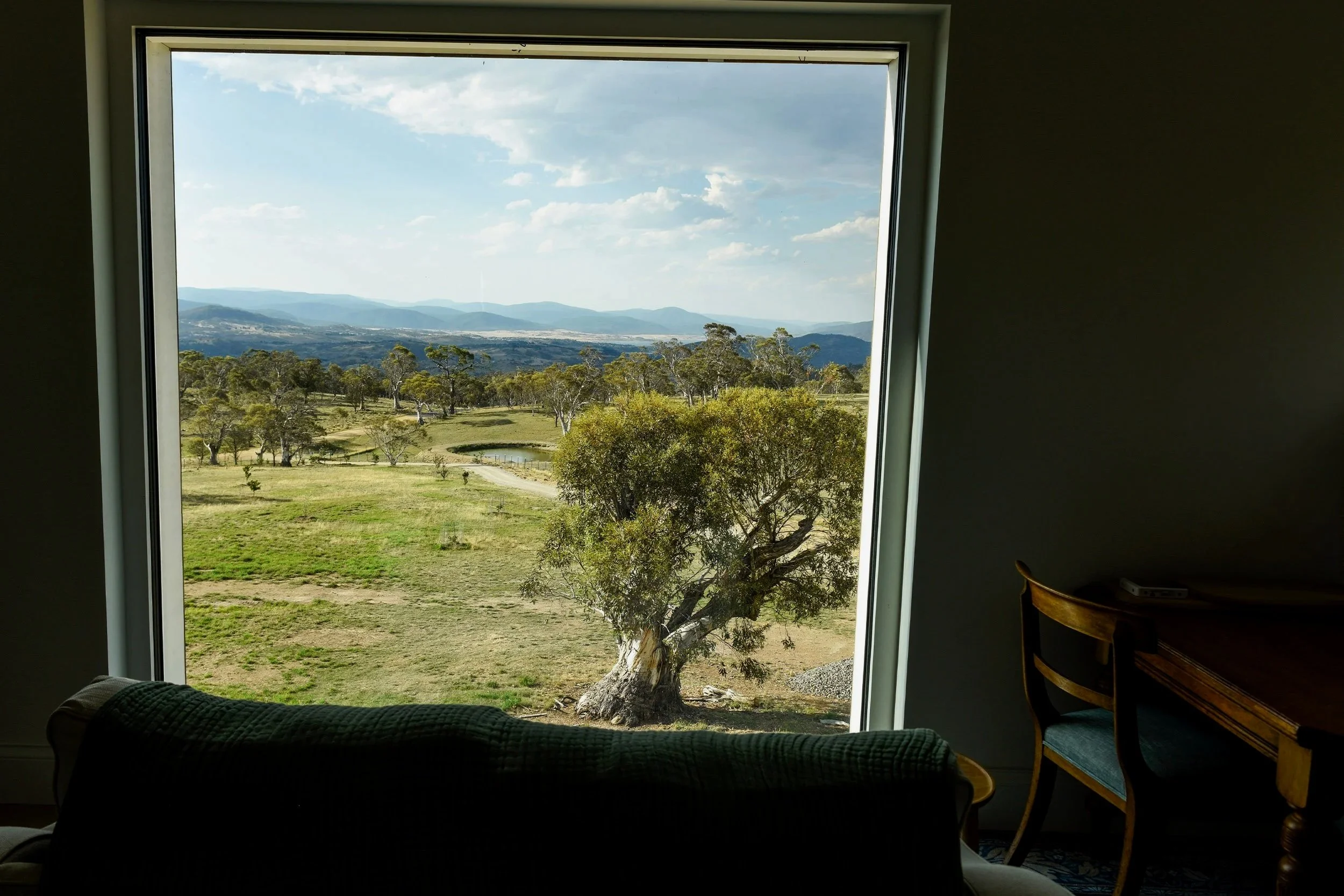
Healthy homes
Why the home you live in matters
Creating a healthy home goes beyond comfort. It actively supports physical wellbeing, indoor air quality, and long-term energy efficiency. At Alpine PassivHaus, we use sustainable materials, precision engineering, and carefully selected systems to ensure every home maintains a clean, safe, and comfortable environment year-round.
A healthy home is designed to stay warm in winter, cool in summer, and free of drafts and pests. Key elements include high insulation, an airtight, thermal bridge-free design, and a Heat-Recovery Ventilation (HRV) System that circulates filtered, preheated air while keeping out pollutants and allergens. Our use of natural materials further ensures a chemical-free, healthy indoor space.
What defines a healthy home



AIR QUALITY


ENERGY EFFICIENT
SUSTAINABLE MATERIALS
HIGH INSULATION
TEMPERATURE CONTROL
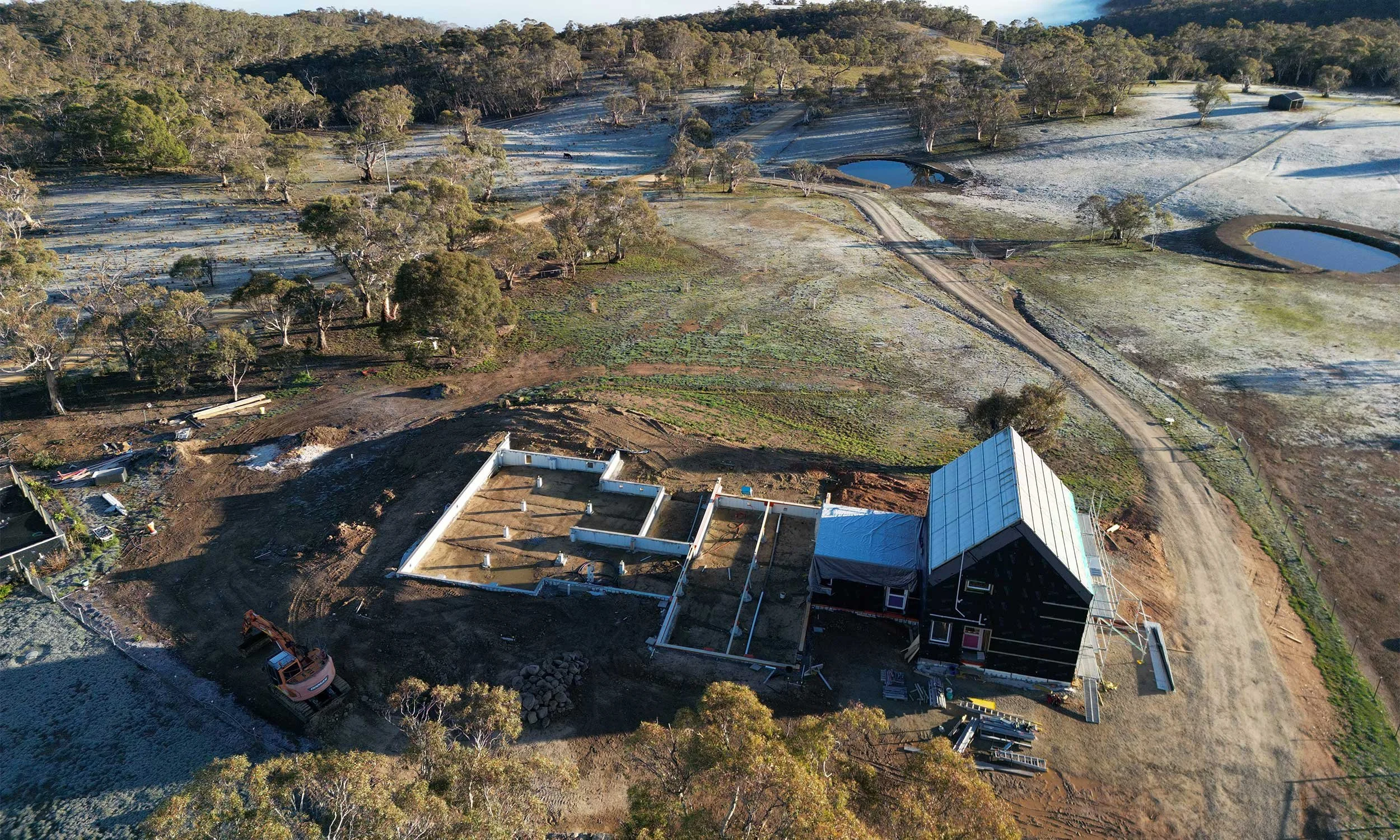
The health cost of cold homes
Homes that fail to stay warm in winter or adequately cool in summer can significantly impact health. Based on evidence reviews, the World Health Organisation has also identified that cold housing has been linked to increased risks of cardiovascular and respiratory issues. Research from the University of Melbourne suggests that by far the biggest negative health impact is on the mental health of a person living in a cold home.¹
By creating well-insulated, draft-free homes, we improve comfort and reduce these health risks.

Figure 1: The prevalence of chronic health problems and the ability to afford to heat a home. Note: Estimates are adjusted for age and population weights. Population weights were applied using STATA command ‘aweight’. Measures of health conditions are self-reported doctor diagnosis of each condition. (Bentley 2024)
Sustainable materials for ECO Living
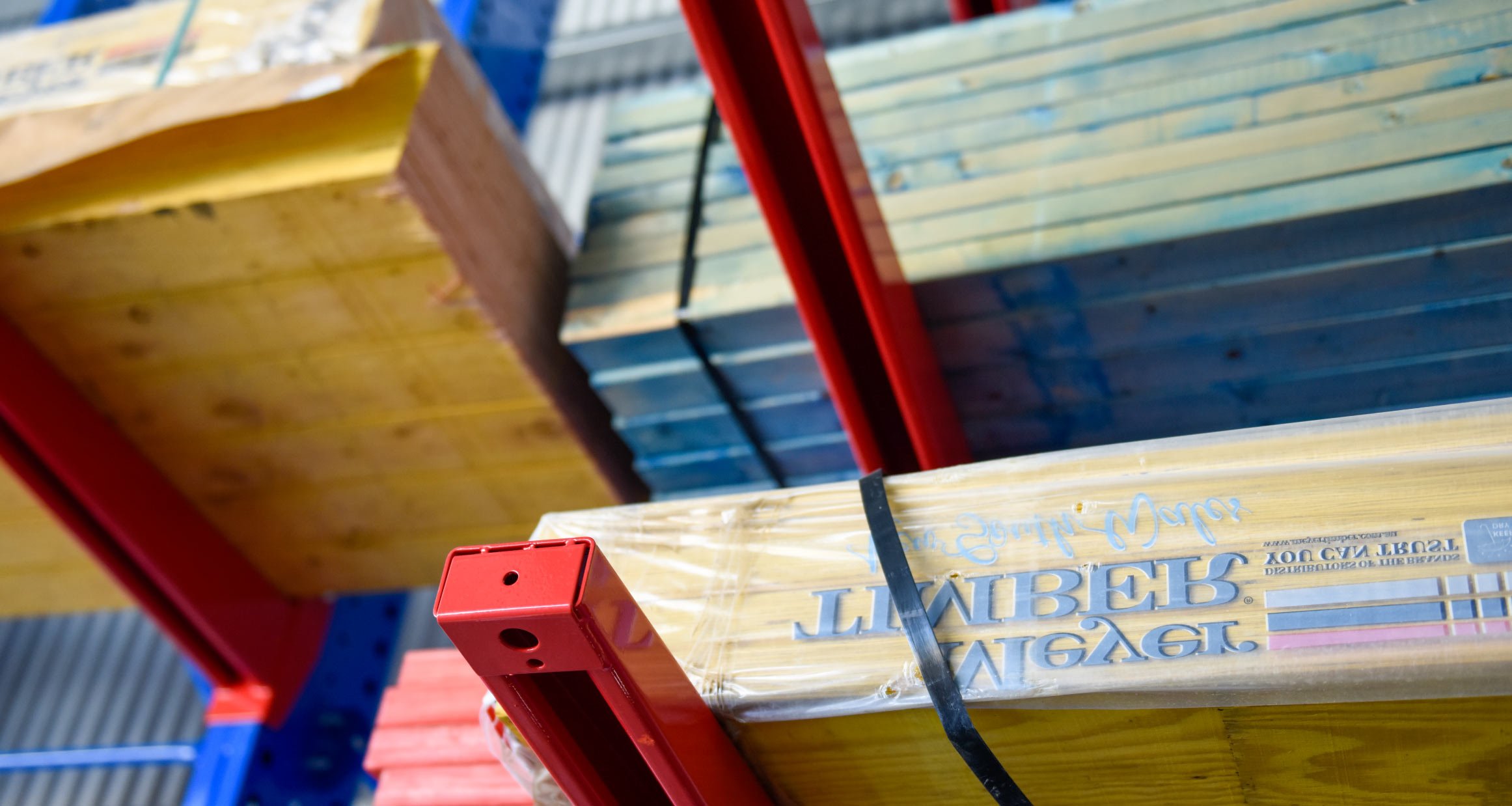
We prioritise sustainable, non-toxic materials like wood and recycled cellulose for our prefabricated wall panels. These materials help create a carbon-negative building envelope that actively absorbs carbon, contributing to a healthier environment.
Indoor Air Quality and Pollutants
Since we spend around 90% of our time indoors, indoor air quality has a major impact on health. According to the World Health Organisation (WHO), indoor air pollution (IAP) is responsible for the deaths of 3.8 million people annually.²
Common indoor pollutants include:
-
Poor ventilation and damp conditions can lead to mould growth, triggering allergies and asthma symptoms. In rare cases, mould exposure can lead to hypersensitivity pneumonitis, an immune disorder causing lung inflammation from prolonged inhalation of allergens. Symptoms resemble the flu—fever, cough, chills, and shortness of breath—and may worsen with continued exposure.³
Alpine PassivHaus designs homes to control moisture and prevent mould, supported by HRV systems that filter fresh air while maintaining indoor humidity at healthy levels. We verify each project's construction method and mould index using advanced heat and moisture simulation software (WUFI) tailored to the local climate.
-
Particulate matter is a complex mixture of solid and/or liquid particles suspended in air. Small particles, PM10 and PM2.5, are multiple times smaller than a human hair. Particulate matter can consist of various components, including nitrates, sulfates, organic chemicals, metals, soil or dust particles, and allergens like pollen or mould spores.⁴
The concerning thing about these small particles is that they are small enough for you to breath them deeply into your lungs and sometimes can enter your bloodstream. ⁵ This can impact your respiratory and cardiovascular health, even lead to a reduction in life expectancy.⁴
Indoor PM sources include cooking and fireplaces; our HRV systems with optional HEPA filters can help manage PM levels, especially during bushfire season.
-
Dust mites, pollen, and pet dander can contribute to respiratory issues, especially for those with allergies. House dust mites, the source of one of the most powerful biological allergens, grow in damp, warm environments.⁶ By controlling the relative humidity level in a home, the growth of some sources of biologicals can be minimised.
Our airtight construction and Heat-Recovery Ventilation {HRV} system work together to maintain ideal humidity and keep allergens out.
-
Combustion appliances like unvented gas heaters and cooktops can emit CO and NO2, which are harmful to health. We recommend modern induction cooktops as a safer, more efficient alternative, reducing the need for traditional gas appliances.
-
VOCs from building materials and household products contribute to indoor air pollution. Alpine PassivHaus uses natural and Low-VOC materials to produce our prefabricated wall elements and can support our customers in selecting healthy building components, products and furniture to finalise their homes, helping you maintain a chemical-free environment.

Fireplaces and Air Quality
While fireplaces may add a cosy atmosphere, they introduce significant pollutants and are unnecessary in high-performing, well-insulated homes. Alpine PassivHaus designs homes that stay warm naturally, eliminating the need for fireplaces and their associated air quality risks.